I’m sure all of you are wondering what the difference is between prescription diet pills and herbal diet pills. In order to answer this question, we need to take a step back and gain a greater understanding of what allopathic vs. holistic medicine is and what each is used for.
Allopathic Medicine – Manage Symptoms of Disease

Allopathic or westernized modern medicine focuses on disease management. This means that its primary concern is to focus on identifying the disease/symptoms and then prescribing drugs to manage or combat those conditions. It is important to realize that conventional medicine considers the disease or symptom to be the actual problem rather than addressing the true underlying cause that produced the disease in the first place. Allopathic or modern medicine considers bacteria, viruses, fungi, molds, and other foreign invaders to be some of the main causes of our illnesses. It is for this reason that antibiotics or drugs are prescribed to fight them. Western medicine is not concerned with the main CAUSE of a disease but rather to bandage the symptoms and/or cut out the problem with surgery.
Natural Medicine – Cures Root Cause of Disease
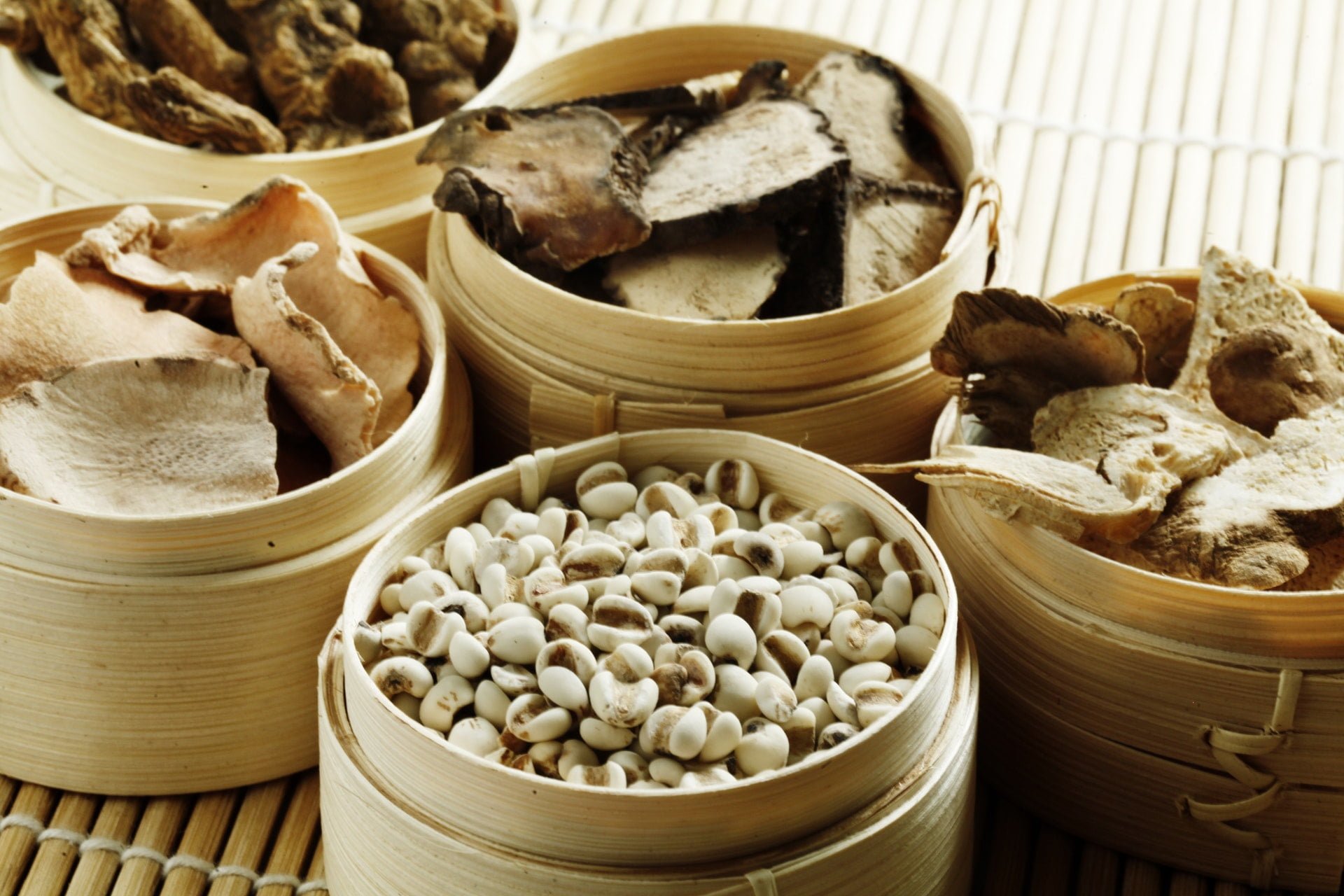
In contrast, the philosophy of natural or holistic medicine holds that a weakened immune system (or other weak body systems) is the reason foreign invaders can thrive, thus producing symptoms and diseases. This means that given the right conditions, our body has the innate wisdom and capacity to heal itself. This is in stark contrast to conventional medicine where it tries to control the body through drug intervention or kill foreign invaders with antibiotics. Natural medicine includes herbs, homeopathy and non-invasive alternative therapies to help the body heal itself. These techniques are meant to help facilitate the repair and strengthening of our bodies as well as help destroy pathogens.
Herbal Diet Pills vs Prescription Diet Pills
Herbal diet pills are made of whole herbs or herbal extracts in different forms along with some ingredients of animal or mineral origin. These are naturally sourced and work with the body’s innate healing system to help cure the cause of the disease, not just the symptoms. The treatment using natural remedies is holistic, that is, treating the individual as a whole and not any symptom or indication.
Prescribed diet pills on the other hand are made of either naturally or synthetically engineered molecules. These unnatural molecules have been synthetically engineered in laboratories to elicit a reaction from our body to calm down the symptoms and keep the disease manageable. The main difference between herbal and prescribed diet pills is that modern medicine has the advantage of extensive drug research that backs up the drug companies. This has been used to manipulate people into thinking that modern medicine is somehow safer for you, just because tests have been run and studies have been conducted. However, this simply isn’t true. Most drugs have side effects and have them listed for you to read before you start taking the new medication. If you were to simply replace the word side-effect with poisoning, you might think twice about taking this synthetic drug on a long term basis.
Additionally, conventional doctors believe that as long as the symptoms of your disease are no longer there, you can manage this long-term by taking this medication for the rest of your life. Most people are satisfied with this outcome since they know no other alternative to help them heal and get better. Because of this, the conventional doctor isn’t concerned with getting to the root cause of your disease because sadly it is highly profitable for him/her to receive repeat clients complaining of the same or similar health symptoms. The long-term use of drugs ensures that people never quite get better, and slowly deteriorate due to poor immune function and the side effects of the drugs.
How to Take a Herbal Diet Pill
You may wonder if herbal diet pills are safe, but remember that some do have side effects. The main difference is that they are not to be taken forever nor are they to be used to alleviate symptoms (overweight/obesity). They are meant to be taken alongside a healthy diet and regular exercise to help your body get used to a healthier lifestyle. They work with your body in burning excess fat and discarding excess carbs to help you get back on track.
Fat burners, fat binders, carb blockers, and appetite suppressants will work only as far as you are willing to take responsibility for your own health long-term. Nothing is a miracle pill, but they can assist you in losing weight fast and giving you the motivation you need to live a healthier lifestyle.


![Herbal Equilibrium Review ([year]) - Side Effects & Ingredients](https://www.miriamwellness.com/wp-content/uploads/2023/11/Herbal-Equilibrium-Review-2023-Side-Effects-Ingredients-150x150.jpg "Herbal Equilibrium Review [year] - Side Effects & Ingredients")