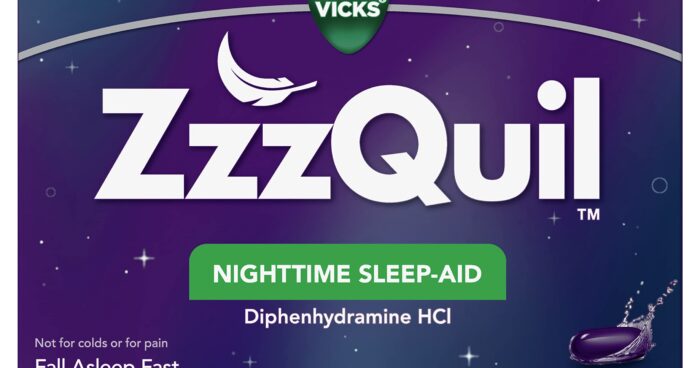
ZzzQuil is an over-the-counter sleep aid manufactured by Vicks, designed to help individuals who experience occasional sleeplessness or difficulty falling asleep. The formulation is based primarily on diphenhydramine, an antihistamine that has sedative properties. Unlike traditional sleep medications, ZzzQuil is marketed as a nighttime sleep aid that is non-habit forming and intended for temporary use.
In this review, we’ll explore how ZzzQuil works, its key ingredients, potential benefits, side effects, and whether it’s a suitable option for those seeking assistance with sleep.
What is ZzzQuil?
ZzzQuil is a nighttime sleep aid designed to promote relaxation and help users fall asleep quickly. It is available in various forms, including liquid and softgel capsules, and is typically marketed for occasional sleeplessness. ZzzQuil is not a treatment for insomnia or chronic sleep disorders but is meant for short-term use when occasional sleeplessness occurs.
How Does ZzzQuil Work?
ZzzQuil primarily works through its active ingredient, diphenhydramine, which is an antihistamine known for its sedative effects. Here’s how it functions:
- Diphenhydramine: By blocking histamine receptors in the brain, diphenhydramine induces drowsiness and helps reduce the time it takes to fall asleep. Histamine is a neurotransmitter involved in promoting wakefulness; therefore, its inhibition can lead to sedation.
- Onset of Action: Users typically feel the effects of ZzzQuil within 30 minutes, making it a quick option for those needing to fall asleep quickly.
Key Benefits of ZzzQuil
- Promotes Faster Sleep Onset: The sedative properties of diphenhydramine can help users fall asleep more quickly, making it beneficial for occasional sleeplessness.
- Non-Habit Forming: ZzzQuil is marketed as a non-habit forming sleep aid, which may appeal to those concerned about dependency associated with prescription sleep medications.
- Convenience: The availability of ZzzQuil in liquid and capsule forms makes it easy to take and suitable for various preferences.
- Short-Term Use: It is designed for occasional use, making it a suitable option for those who may need help sleeping due to stress or changes in routine.
Potential Side Effects
While ZzzQuil is generally considered safe for most individuals when used as directed, potential side effects may include:
- Drowsiness: While intended, drowsiness can persist into the next day, especially if taken close to waking time.
- Dry Mouth and Throat: Common side effects of diphenhydramine include dryness, which may lead to discomfort.
- Dizziness: Some users may experience dizziness, particularly older adults or those sensitive to antihistamines.
- Allergic Reactions: Although rare, some individuals may experience an allergic reaction to diphenhydramine, including rash or difficulty breathing.
It is essential to follow the recommended dosage and consult a healthcare provider if you have underlying health conditions or are taking other medications.
Who Should Consider Using ZzzQuil?
ZzzQuil may be beneficial for individuals who:
- Experience occasional sleeplessness due to stress, travel, or changes in routine.
- Prefer a non-prescription option for temporary sleep assistance.
- Want a quick solution to help them fall asleep when they need it.
The Science Behind ZzzQuil
Research has demonstrated the effectiveness of diphenhydramine as a sleep aid. According to a study published in the Journal of Clinical Psychiatry, diphenhydramine can significantly reduce sleep latency and increase total sleep time in individuals experiencing transient insomnia. However, it is essential to note that while diphenhydramine can aid sleep, it does not address underlying sleep disorders.
Customer Testimonials
Here’s what some users have experienced with ZzzQuil:
- “Works quickly!”
“ZzzQuil helps me fall asleep fast without any lingering grogginess in the morning.” – Customer Review
- “Great for occasional sleeplessness”
“I use ZzzQuil when I have trouble sleeping due to stress. It works every time!” – User Testimonial
- “Simple and effective”
“This is my go-to for nights when I can’t wind down. It’s easy to take and effective.” – Amazon Review
Where to Buy and Pricing
ZzzQuil is available at most pharmacies, supermarkets, and online retailers like Amazon. Pricing typically ranges from $10 to $20 for a bottle, depending on the size and form (liquid or capsules).
Final Thoughts: Is ZzzQuil Worth It?
From a medical perspective, ZzzQuil offers a practical and effective option for those seeking occasional assistance with sleep. Its active ingredient, diphenhydramine, has been shown to help individuals fall asleep quickly and improve sleep quality for short-term use.
If you’re looking for a convenient sleep aid to help with occasional sleeplessness, ZzzQuil may be worth considering. As always, consulting with a healthcare provider before starting any new supplement is advisable, especially if you have existing health conditions or are taking medications.
Frequently Asked Questions (FAQs)
- How long does it take to see results with ZzzQuil?
Many users report feeling the effects within 30 minutes of taking the supplement.
- Can ZzzQuil be taken with other medications?
It’s crucial to consult with a healthcare provider before combining ZzzQuil with other medications, particularly those that cause drowsiness.
- Is ZzzQuil safe for long-term use?
ZzzQuil is intended for occasional use, and prolonged use should be discussed with a healthcare provider to avoid dependency or potential side effects.